

Stinky tofu stands out as one of Hong Kong's most recognisable streetside snacks because of its strong odour. Walk past a stall that sells it, and you'll likely see a mix of reactions: some people frown, cover their noses, or walk away, while others are drawn in by its potent aroma and happily join the queue. Interestingly, tofu itself has little smell. So how does it become such a polarising delicacy?
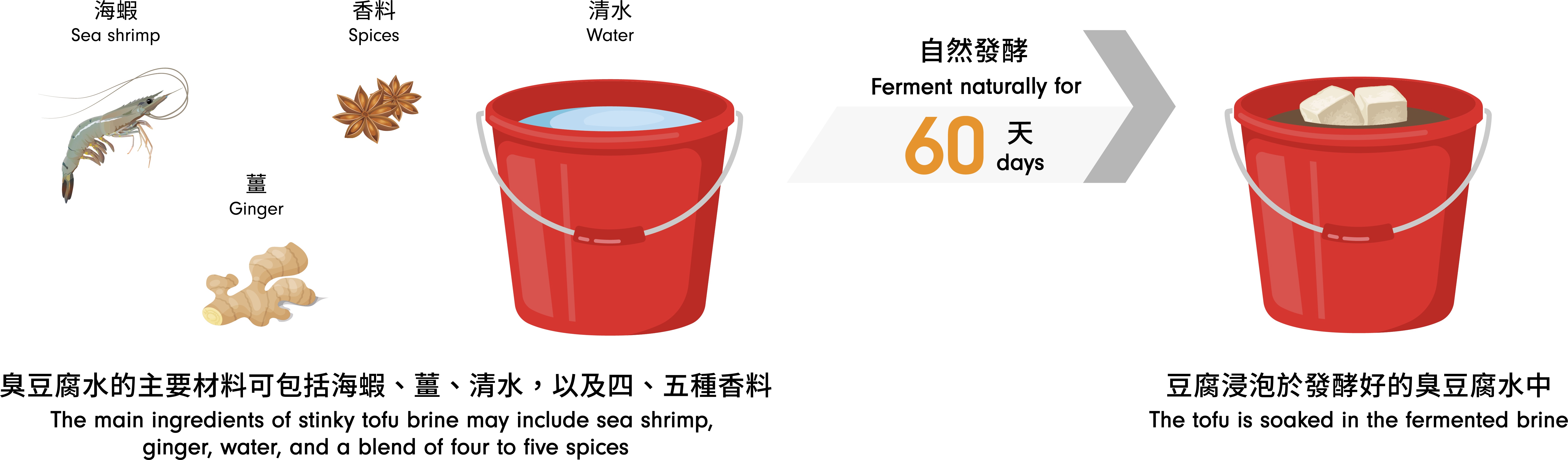
In Hong Kong, stinky tofu is usually made by soaking tofu in a fermented liquid known as "stinky tofu brine", after which it is deep-fried. This brine is the heart of the delicacy, it's what gives this streetside snack its distinctive flavour. One local recipe, for example, combines sea shrimp, ginger, water, and four to five spices, which are left to ferment naturally for about 60 days.
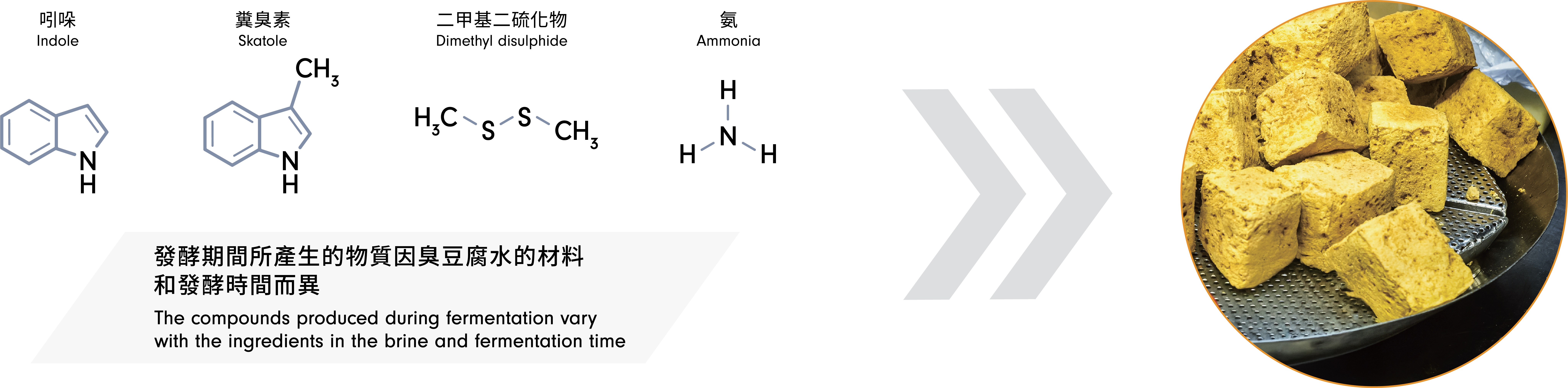
During fermentation, microbes grow and release enzymes such as proteases and lipases. These break down the ingredients in the brine and produce various metabolic by-products. For example, as proteases break down proteins into amino acids, they release ammonia and sulphide compounds, which carry a rotten-like smell. Some amino acids further degrade into organic compounds such as indole and skatole. Surprisingly, in low concentrations, these compounds can give off pleasant aromas and are even used in products like ice cream or perfume. But when the concentrations increase, their smell becomes pungent and unpleasant, making it difficult for many people to tolerate. Every tofu producer has their own secret recipe, with variations in ingredients and fermentation time. As a result, the types of microbes involved and the compounds they produce vary, creating distinct flavours and odours of stinky tofu.
Once the brine is fully fermented, tofu is soaked in it to allow the flavour to infuse. During this stage, proteases in the brine soften tofu's texture by partially breaking down its proteins, while odorous compounds also stick to its surface. When the tofu is finally deep-fried, the sizzling heat vaporises these compounds into the air. This is why you can often smell stinky tofu long before you see it.
So, where do you stand? Do you stay away from stinky tofu, or do you enjoy it even more when the smell is stronger? Beyond stinky tofu, other soybean products like traditional Japanese "natto" and Indonesian "tempeh" are also made by fermenting soybeans. Have you ever tried these fermented soybean delicacies? Which one would you prefer?