
Published on 30 September 2020
Thunderstorms are common in the summer in Hong Kong and one can occasionally sends out several thousand lightning strokes. But what is the secret behind the dazzling flash which can lit up the whole sky?
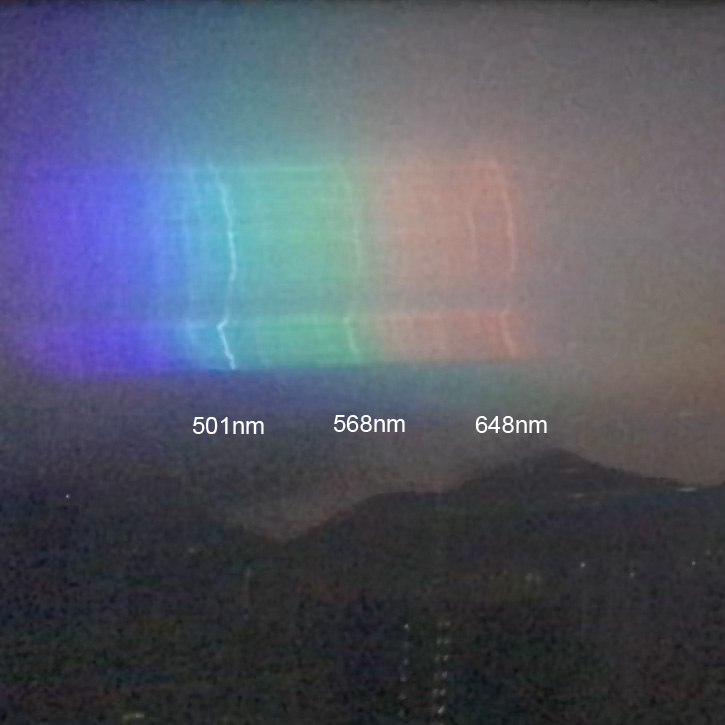
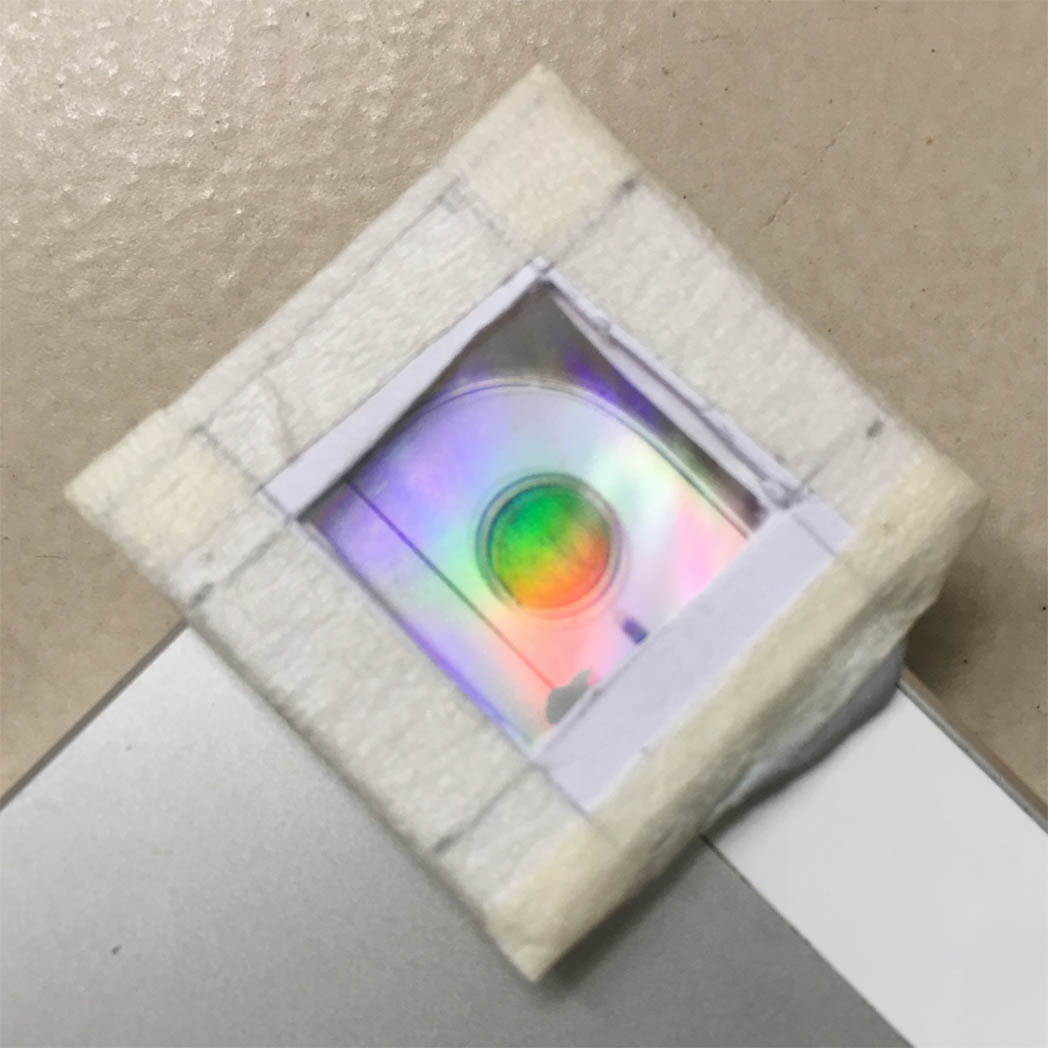
For something that gives off light, studying its spectrum is a good way to understand it. You can obtain the spectrum of lightning by covering the lens of a smartphone with a small piece of diffraction grating when filming the natural phenomenon. In the spectrum, several lines of colour stand out. They are the emission lines of nitrogen ions. We just witnessed nitrogen in the air being ionized by the intense heat of lightning.
Although lightning is an atmospheric phenomenon, it is vital to organisms as well. After being ionized, the nitrogen in the air will combine with oxygen to form nitrogen oxides. The rain will bring them into the soil and becomes nitrates, constituents of fertilizer. Hence, nitrogen in the air enters the food chain and help to build up the proteins in organisms. (Note: atmospheric nitrogen can also be transformed into ammonia by microbial activity, and then utilized by other organisms.)
Spectrum of lightning can be photographed indoor. For safety, never go to an open field during a thunderstorm.