
Natural Dyeing with Flowers
Published on 29 April 2021
The amazing colours of flowers make them a good source of natural dye. Most fabrics used for plant dyeing are natural fibres such as cotton, linen, silk and wool. Silk and wool are animal fibres that contain proteins. This makes the dyeing process more effective as opposed to cotton and linen. Adding a mordant such as potassium alum (aluminium potassium sulfate) can enhance the colouring effect. The mordant acts as a link between the fabric and pigments. This binds the fibre molecules and dye molecules which makes the colours brighter and more long-lasting.
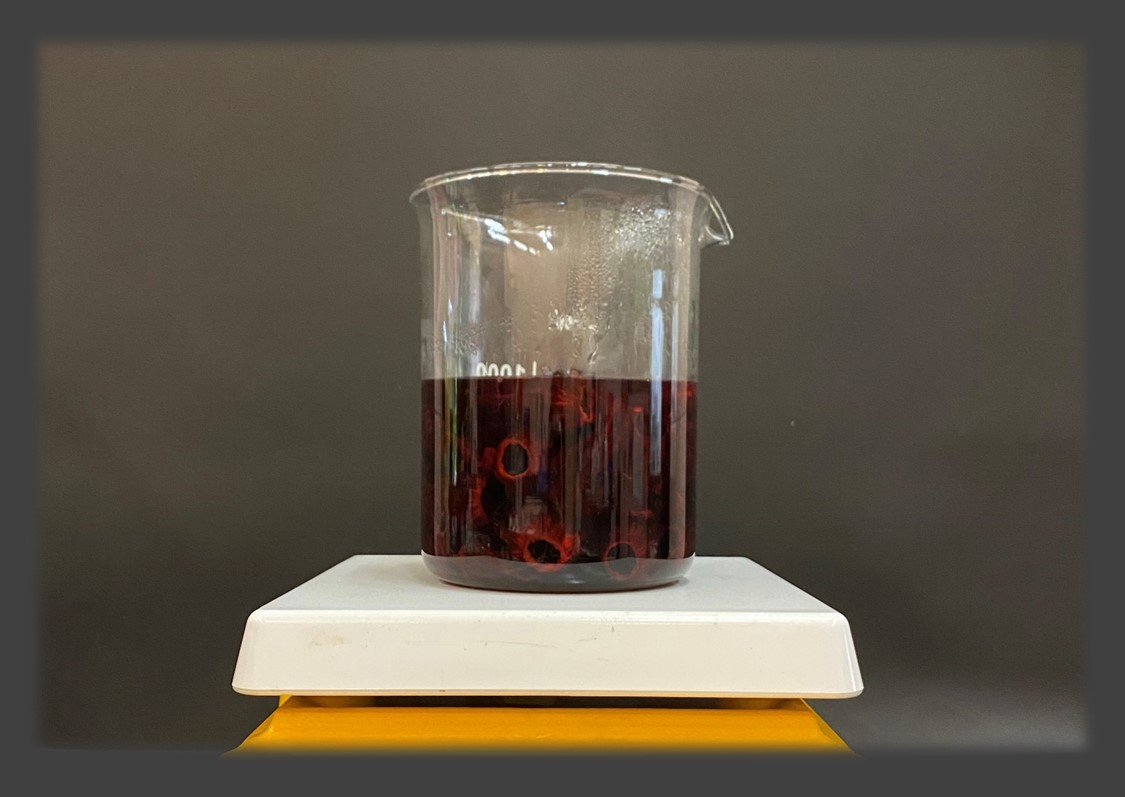
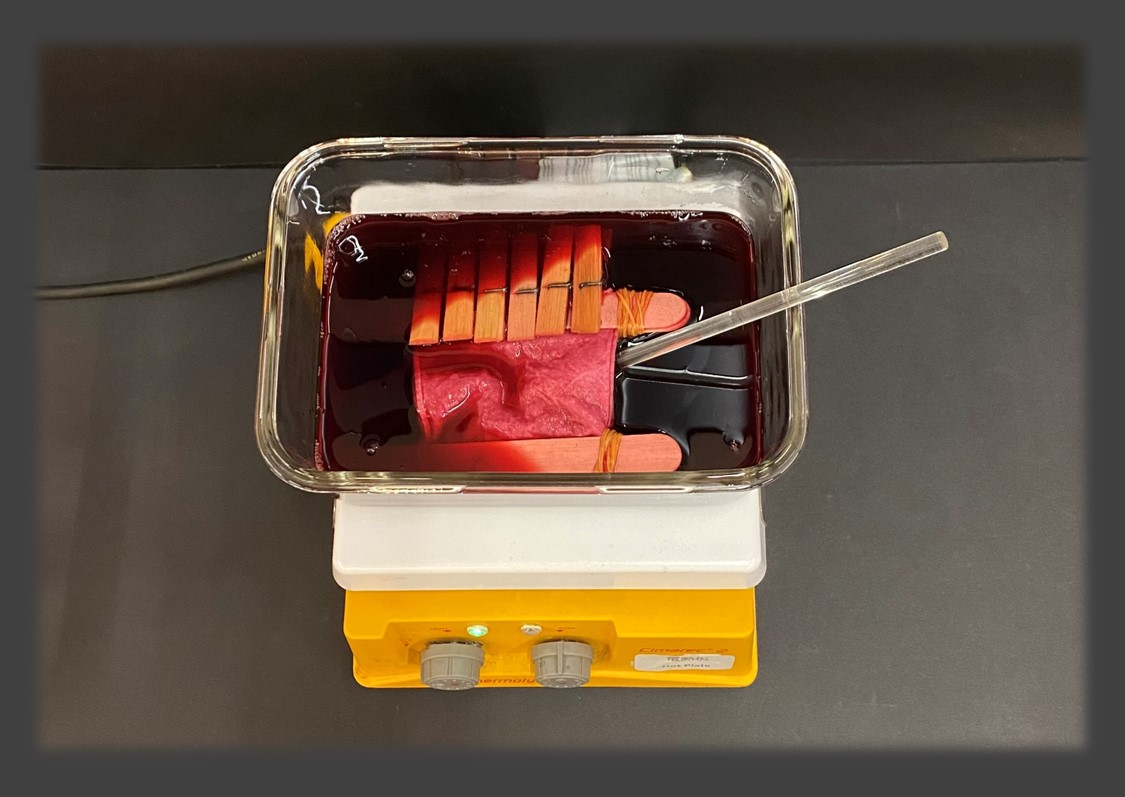
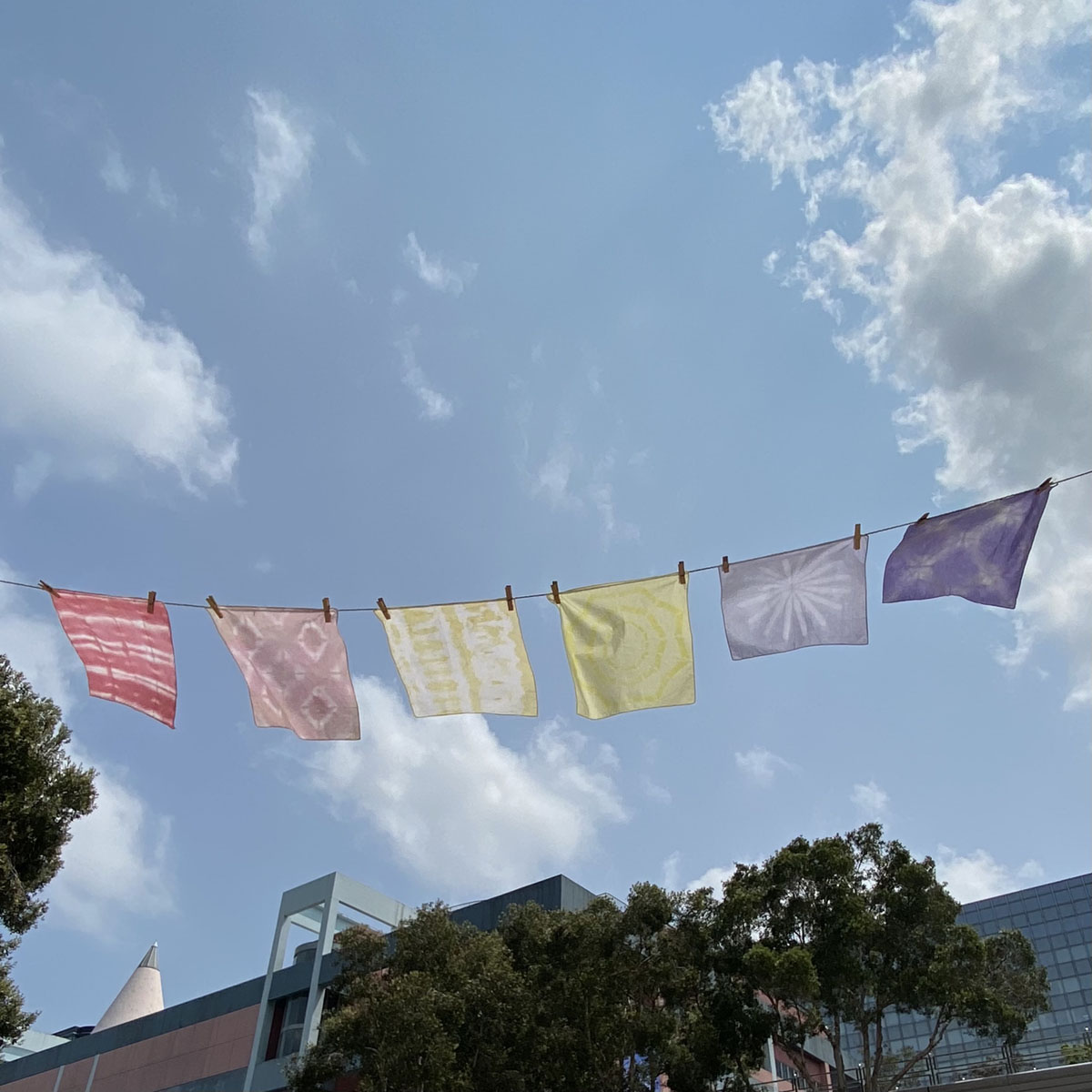
We have tried tie-dyeing cotton fabric with Chinese herbal flowers and tea flowers. Fresh flowers could also be used, but you will need more because of their high water content. Let's look at the natural colours of Safflower, Pagoda Bud, Roselle and Butterfly Pea on cotton and the dyeing procedures.
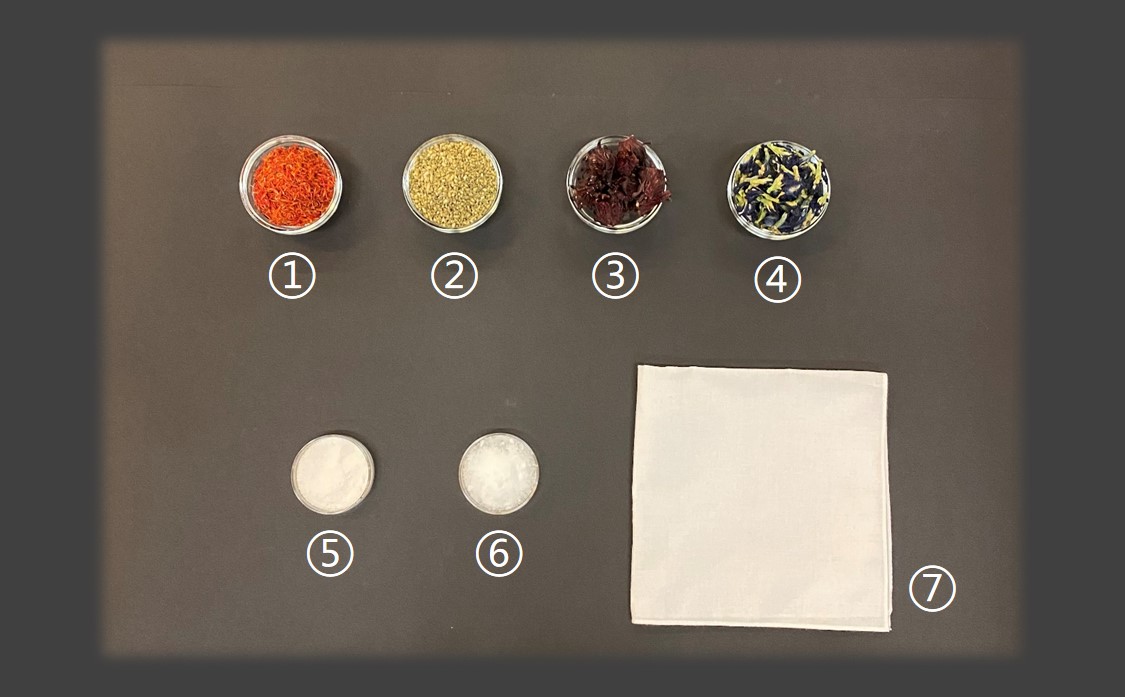
Your favourite flowers. For example:
1. Safflower
2. Pagoda Bud
3. Roselle
4. Butterfly Pea
5. Washing powder
6. Potassium alum KAl(SO 4) 2·12H 2O
7. Fabric
Note: The dried flowers should weigh three to five times of the fabric depending on the intensity of colour required.
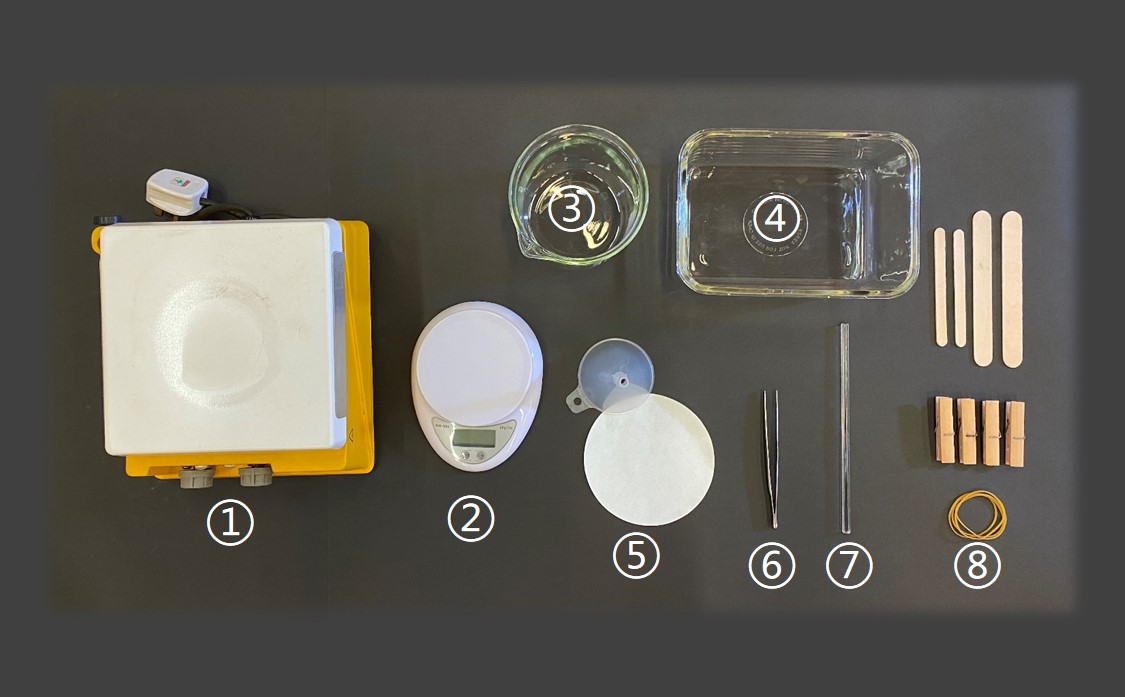
1. Hot plate
2. Scale
3. Beaker (for making dye solution)
4. Heat resistant container (for dyeing fabric)
5. Filter funnel, filter paper
6. Forceps
7. Glass rod
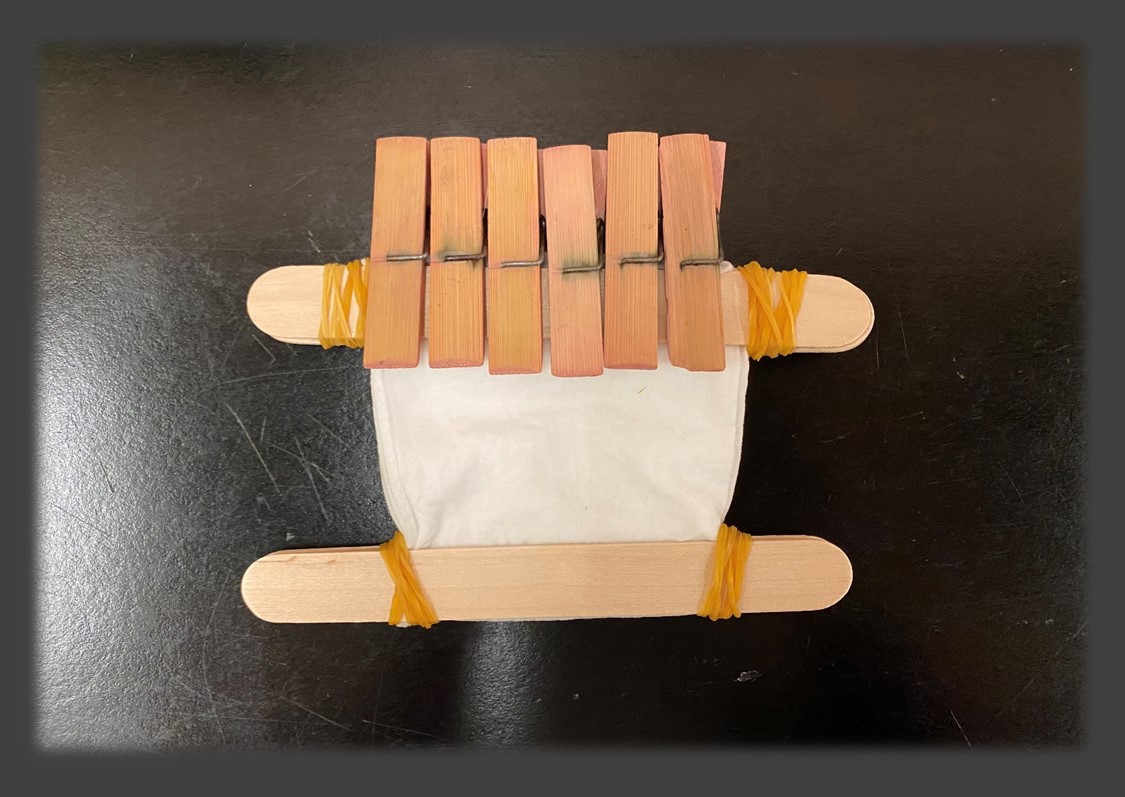
8. Wooden sticks, wooden pegs, rubber bands (for making tie-dye patterns)
Note: The containers and utensils used for dyeing should not be used for cooking.
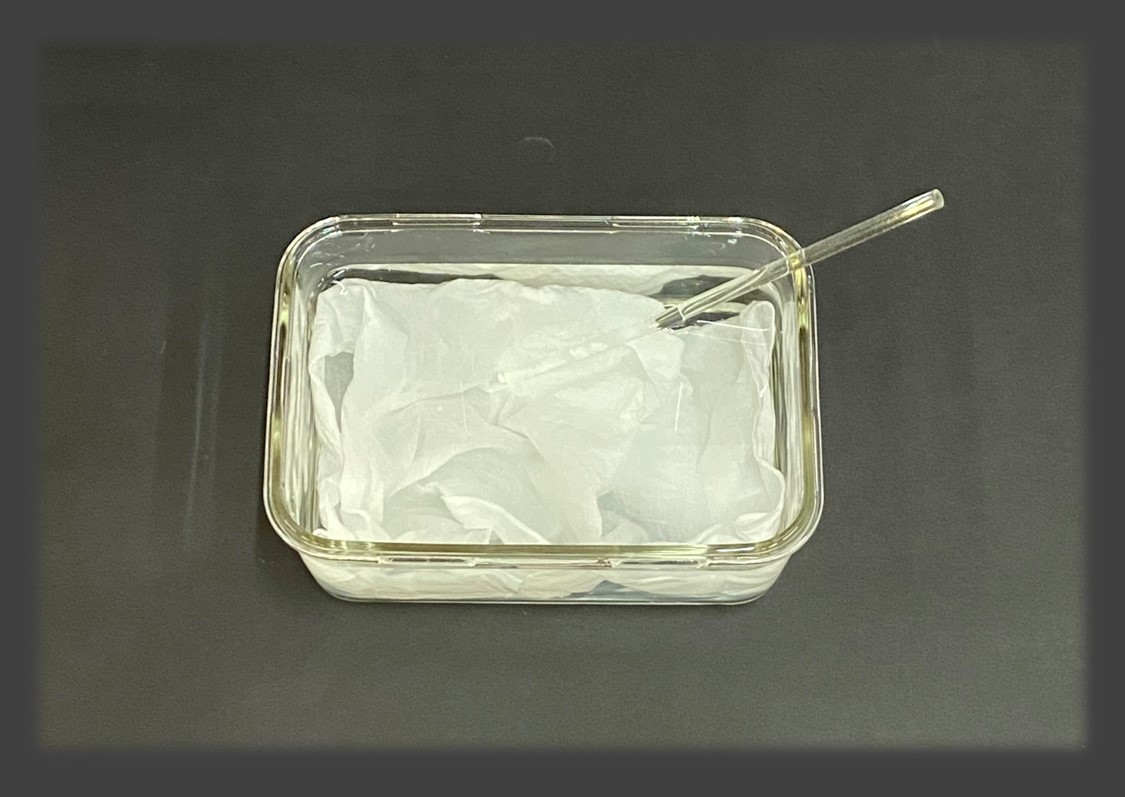
1. Wash the fabric with washing powder and water to remove impurities on the fabric surface. Hang dry.
2. Add potassium alum to water and stir until dissolved. Immerse the fabric in the solution for about 30 minutes. Hang dry.