
Art in Science
Published on 27 April 2022
We can often see illustrations of precious animal and plant specimens when we visit museums. Smartphones nowadays are very powerful in taking photos. With just a few taps, you can take a master-level image. But our ancestors could only record the nature with pencils or brushes.
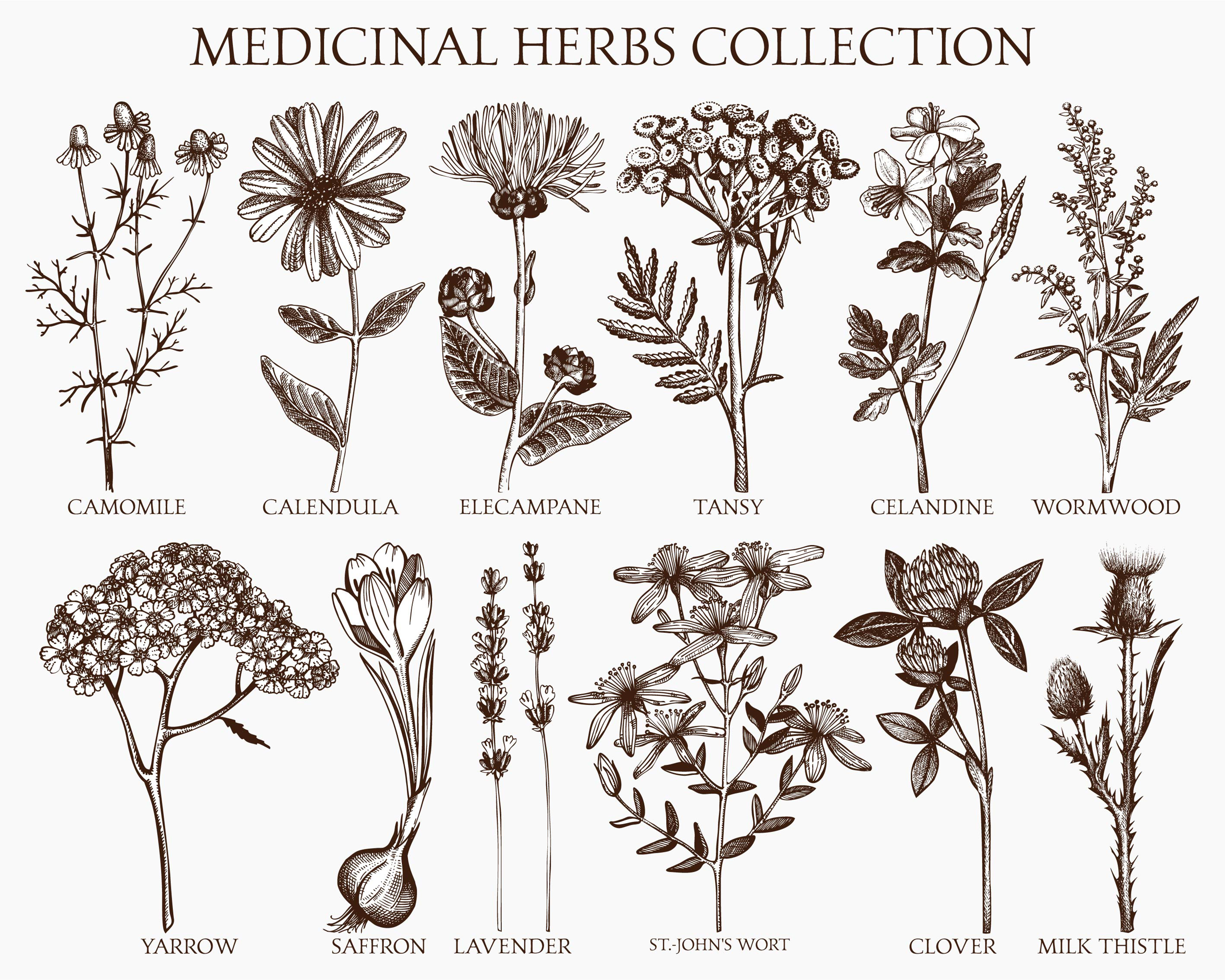
If naturalists can accurately depict the detailed features of the organism, the drawings will not only assist scientific research, but also spread scientific knowledge to the public. Even today, exquisite illustrations, rather than photographs, can still be found in many field guides of wildlife. Limited by light, time of the day and angle of shooting, photographs may not fully represent the colours and forms of species. By contrast, illustrations can make the identification of different species easier.
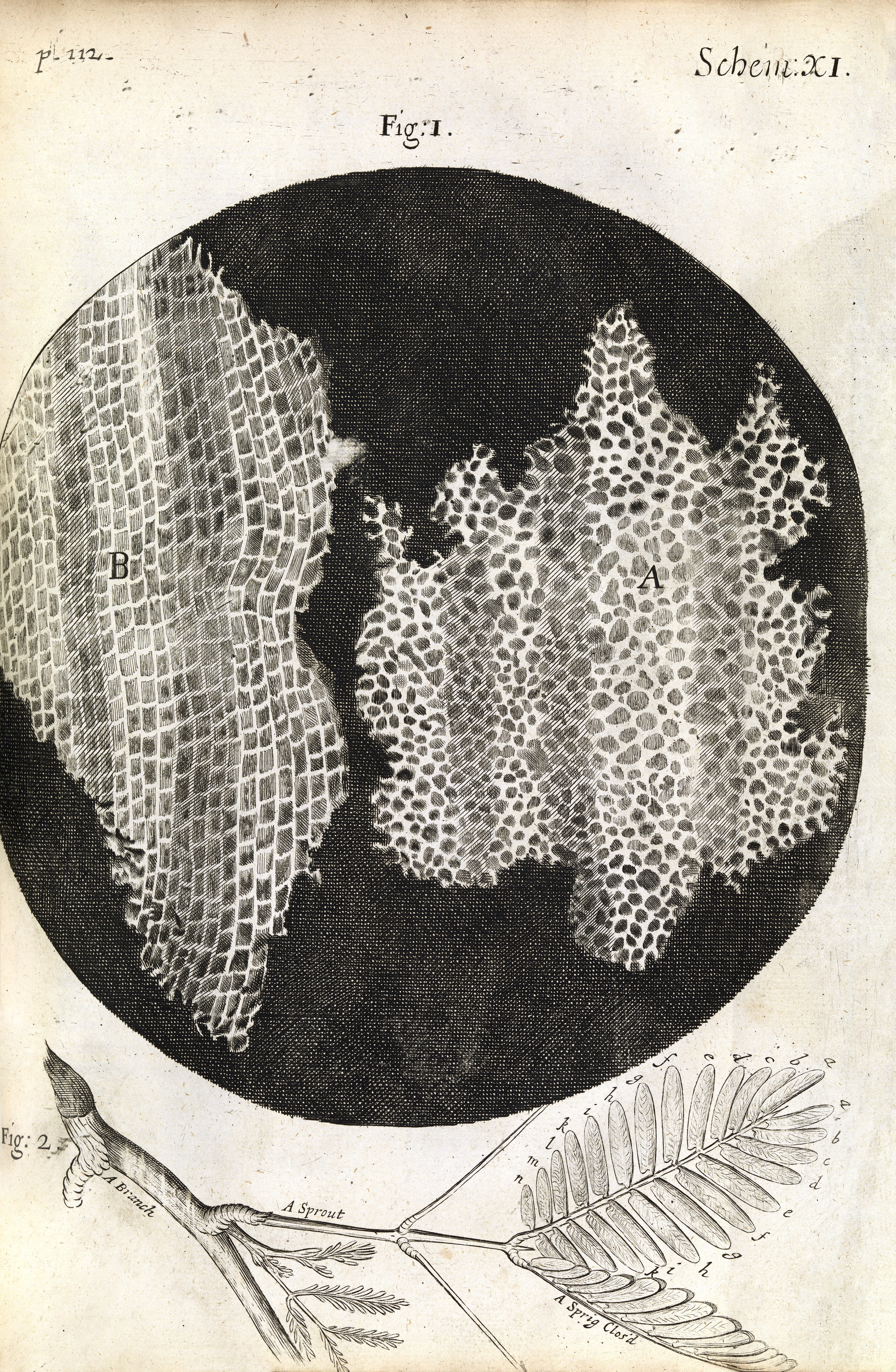
The renowned English scientist Robert Hooke (1635-1703) contributed to various disciplines such as astronomy, physics and biology. He is particularly remembered for "Hooke's Law" of elasticity and the observations of the microcosm in detail with his improved optical microscope. In his book "Micrographia", which was published in 1665 and was the first illustrated book on microscopy, he illustrated the tiny cavities in a thin slice of cork under the microscope and called them "cells". His discovery let people understand that cells are the smallest structural and functional unit of a living thing — the foundation of the cell theory.
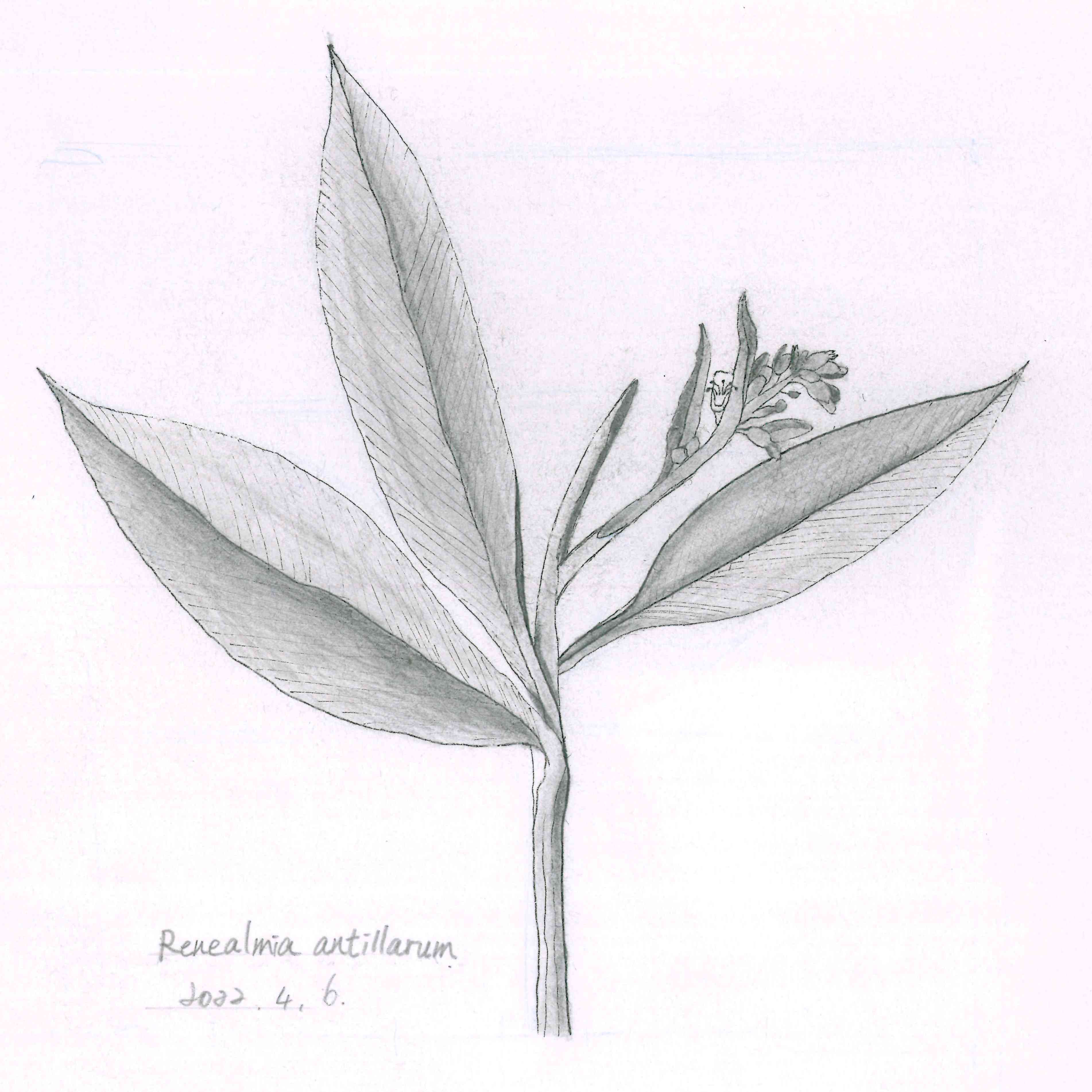
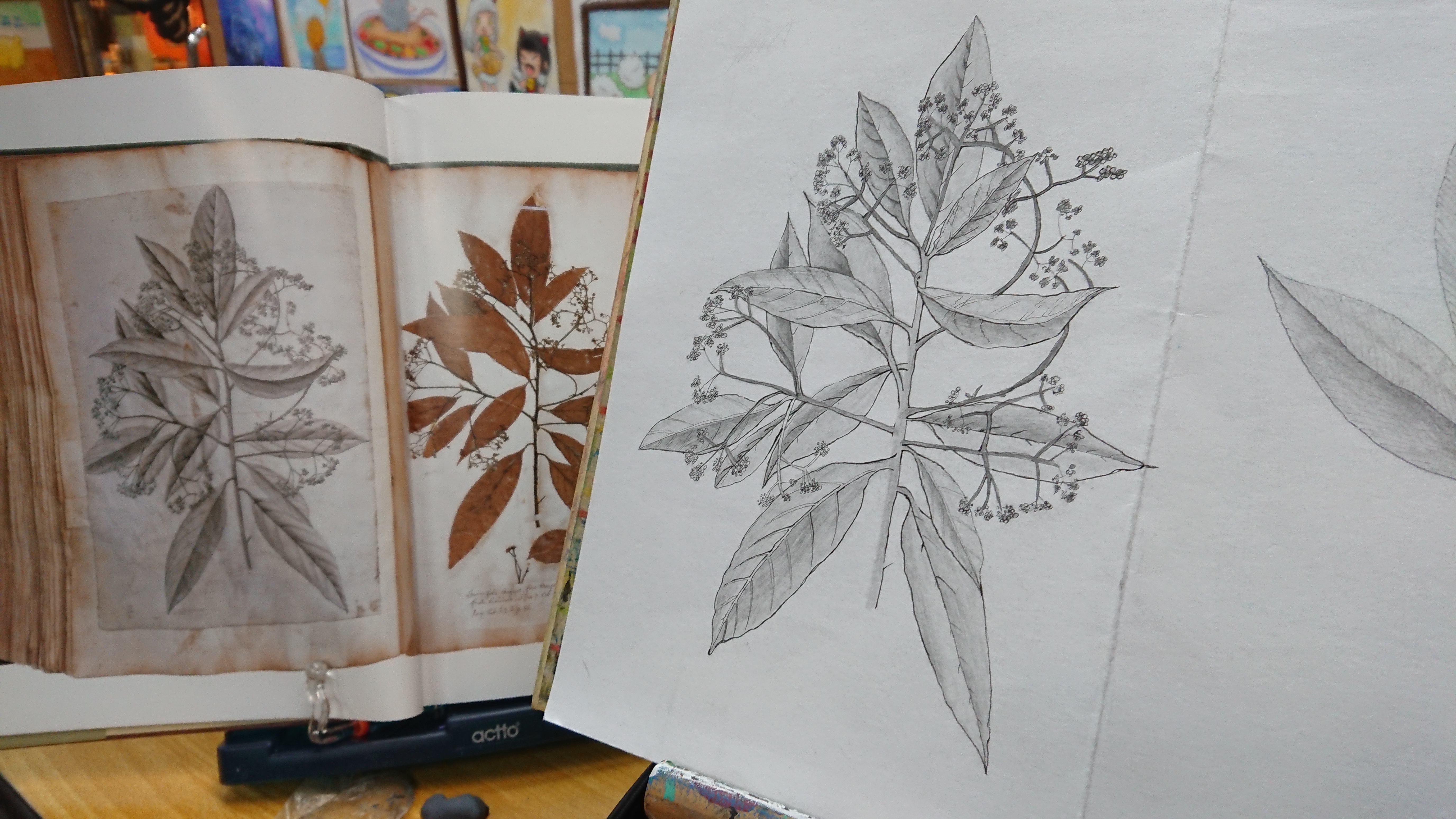
To be skillful, you should have good observation skills, and know how to handle size ratio, lighting and outline. Drawing the plants in front of me quietly can also become my "Me Time", allowing me to relax and rest. Although the word "scientific illustration" may seem unattainable, as long as you keep practicing and viewing different scientific illustrations by others, it is not that difficult to produce a work that you will be satisfied with. Let's put down your phone for a while and try connecting with nature in another way.
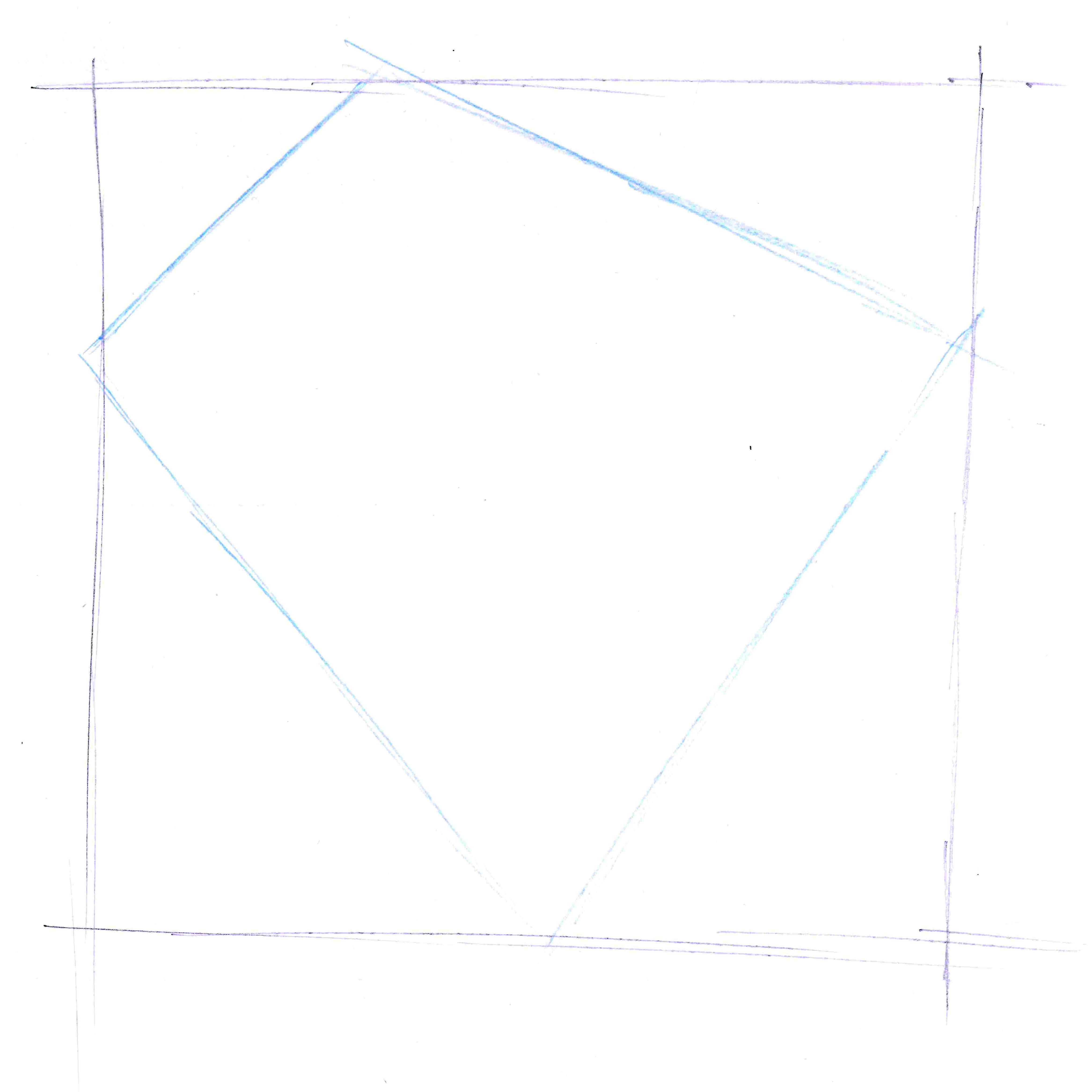
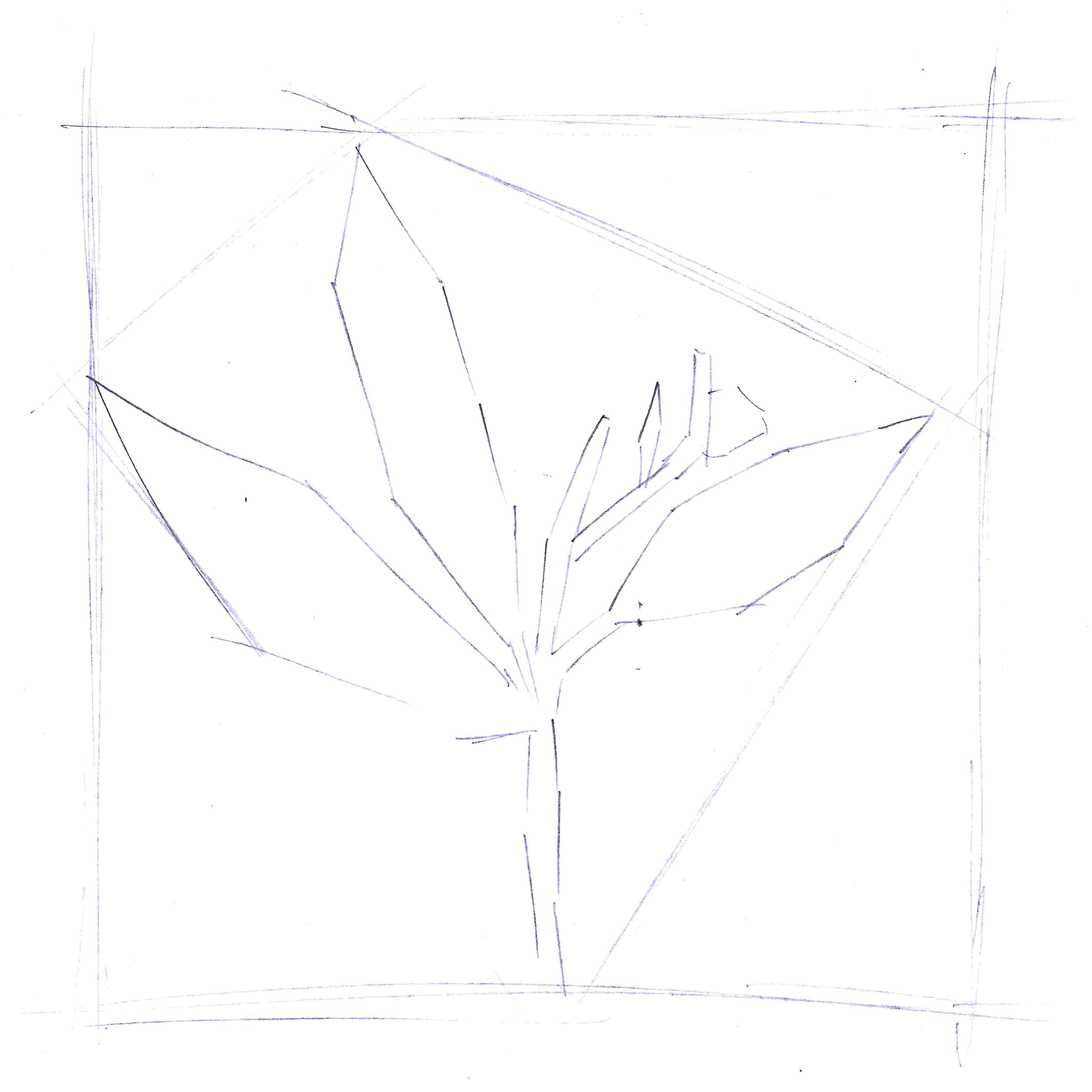
1. First, decide the size you want the picture to be using a rectangle (black line), and draw the outline of the plant within the rectangle (blue line). For beginners, you can fit it to the whole sheet of paper to make later drawing easier.