
Digitalisation of Collection
Published on 25 November 2022
Most of the time, visitors can only appreciate museum collection through the glass of showcases. Is there a way to make museum collection more accessible while also enhancing their educational value?
Thanks to non-contact 3D scanning technology, we are able to digitalise our collection and provide the public with more ways to interact with them - and this is what our digitalisation programme sets out to do.
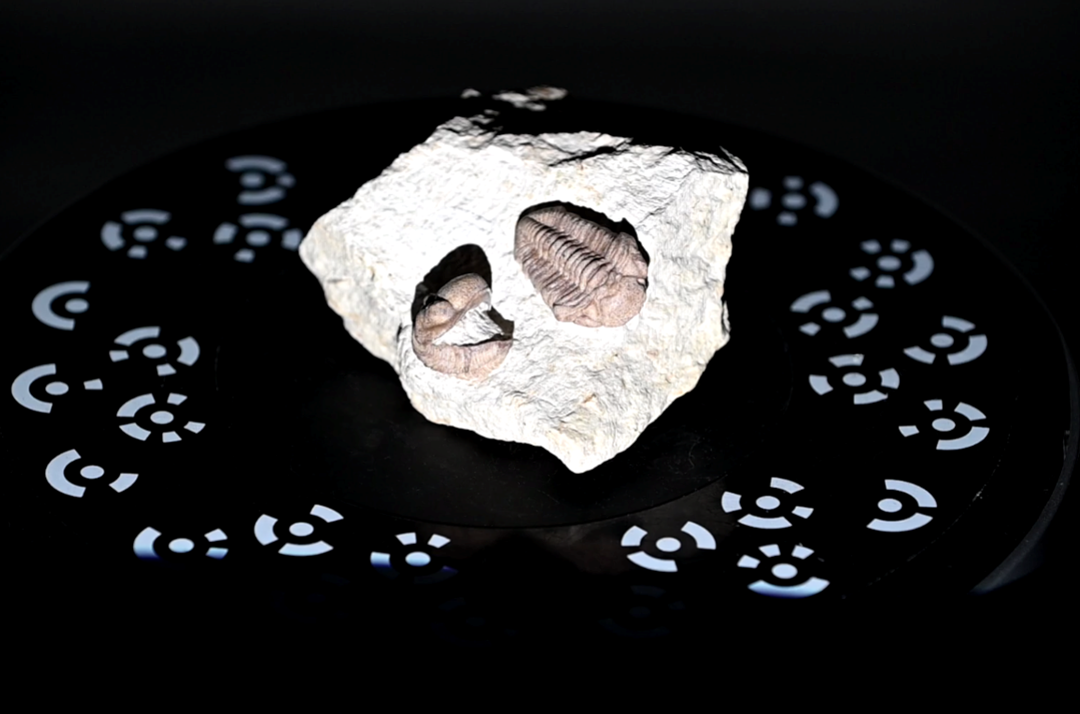
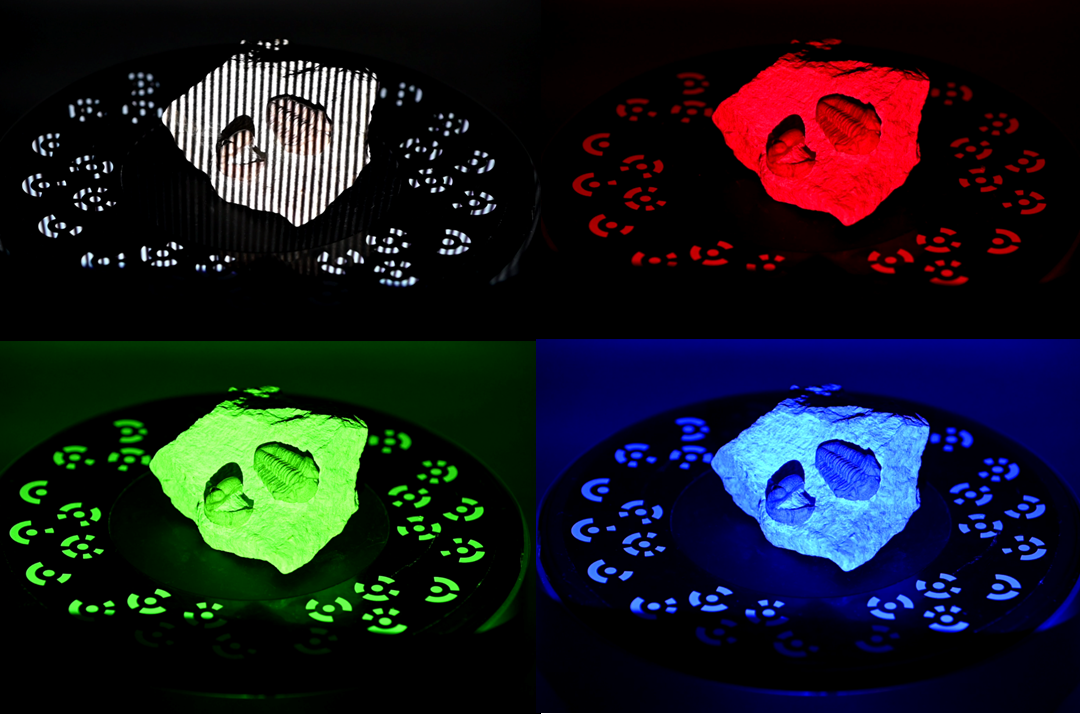
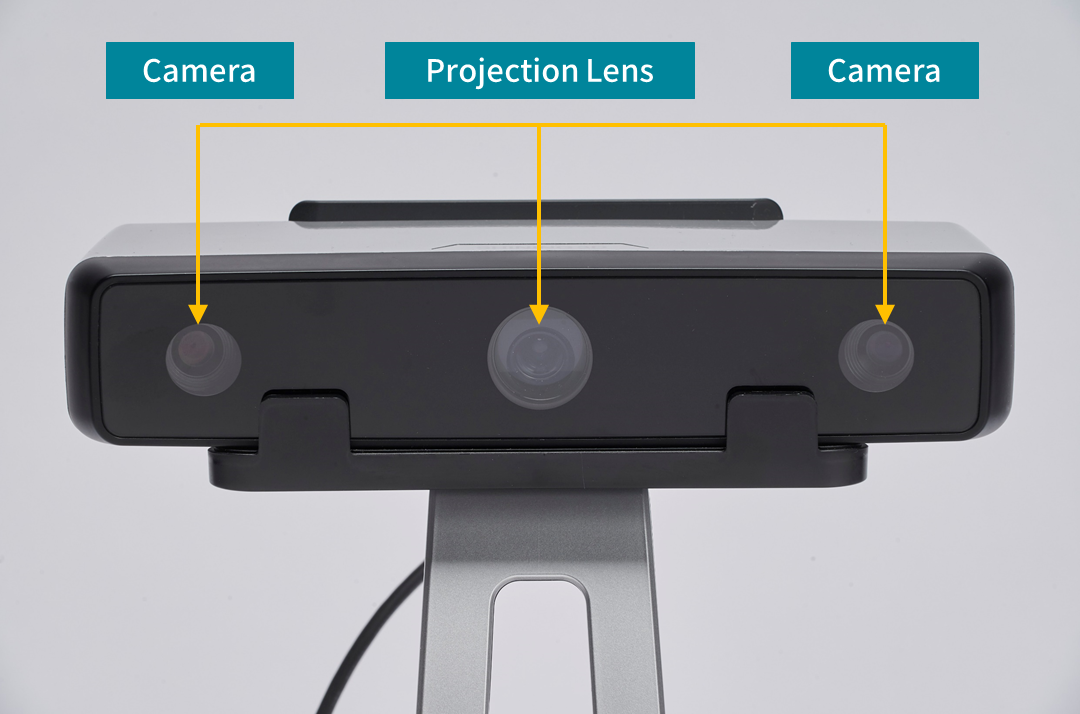
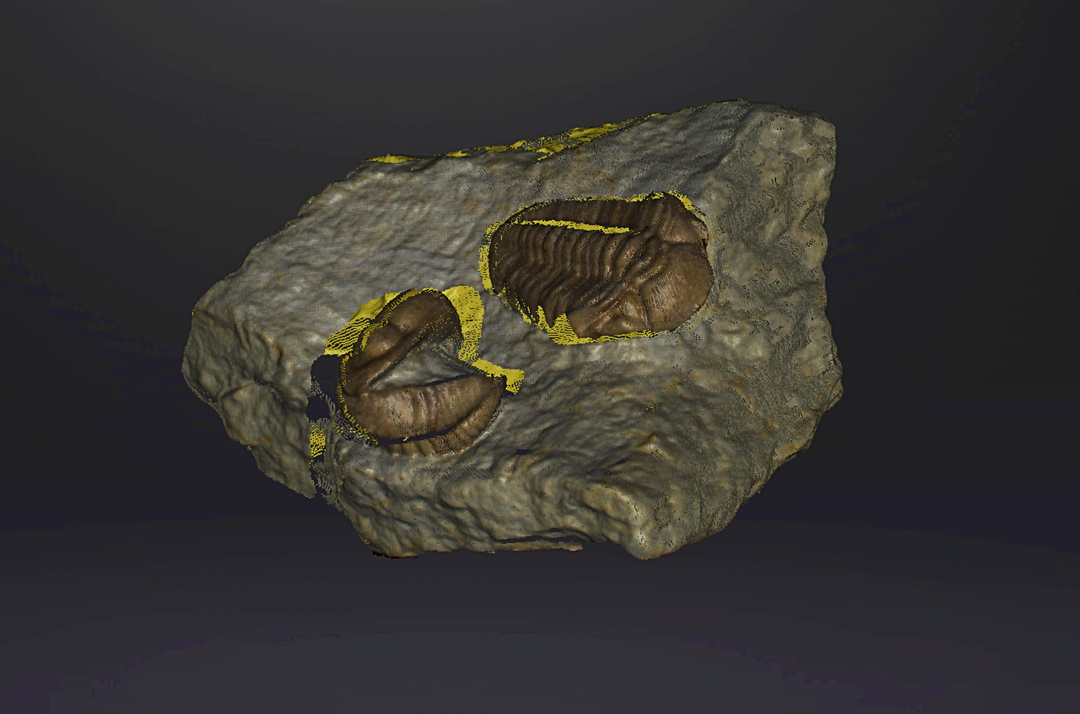
Non-contact 3D scanning technology comes in a variety of forms, including photogrammetry, LiDAR, laser, structured light, and infrared. In the first phase of the project, our fossil collection is scanned and modelled using a non-contact structured light 3D scanner. During scanning, the 3D scanner will project different images onto the object of interest and collect the image data. The geometry and colour of the object are calculated by the deformation of images, and the data is used to construct a digital 3D model.
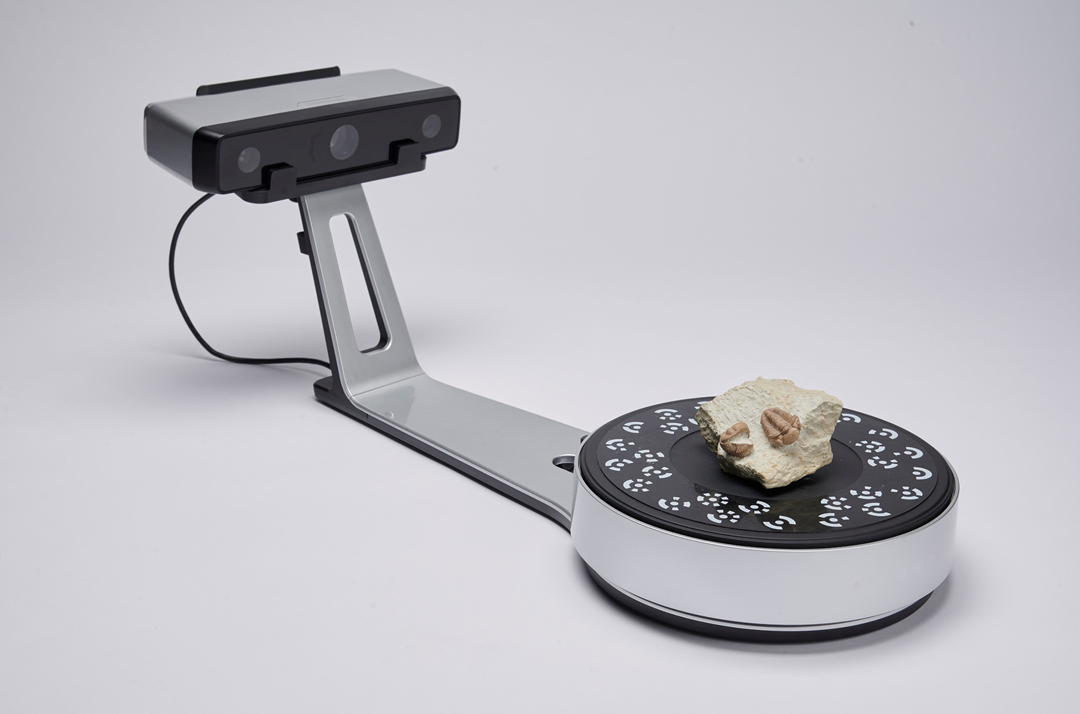
The steps and principles involved in scanning and modelling are as follows:
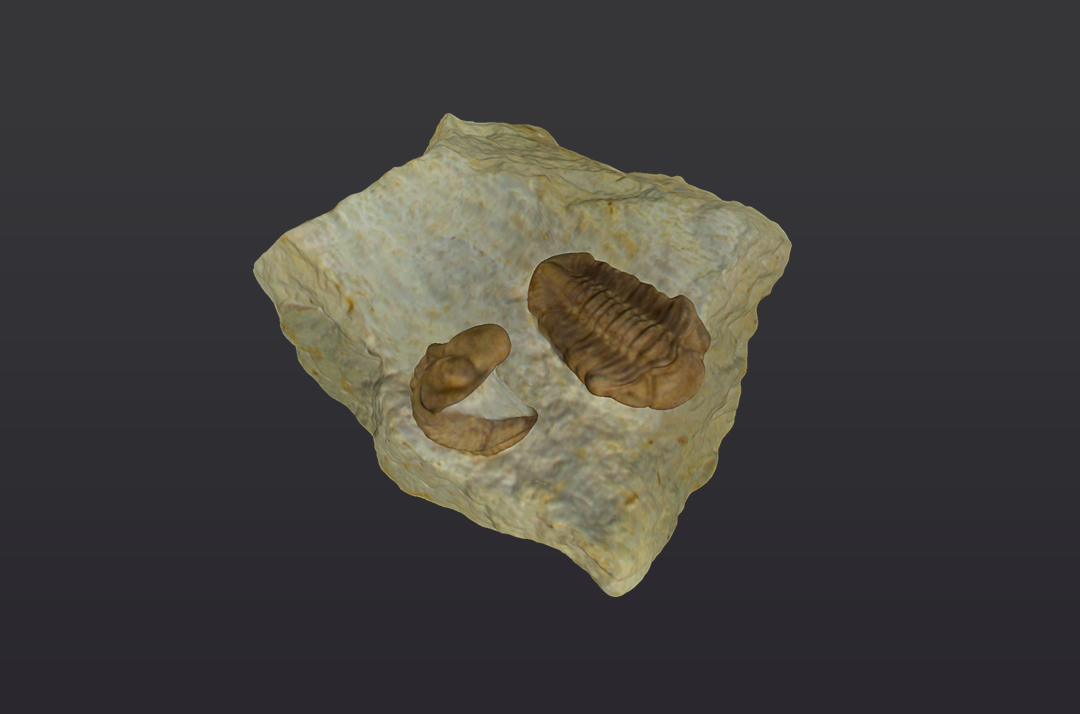
We can use the 3D models for different projects, such as developing interactive exhibits and providing virtual tours. Models can be accessed online with the help of a 3D model platform, and a more immersive experience can be achieved with VR headsets. This allows us to access them whenever and wherever we want, and go beyond limitations and interact with the artefacts that might not be suitable for display due to their conditions.
Although 3D models and AR and VR devices have been around for some time, this field of technology, especially the development of hardware, still has a lot of potential for development. As technology advances, there will undoubtedly be more novel ways for us to engage with virtual objects and environments.
More information on our collection digitization projects can be found in: https://digitalcollections.hk.science.museum/en-us/