
Quantum Quest
PERMANENT EXHIBITION
InnoTech Gallery
This exhibition introduces five pivotal technologies driving modern innovation: Quantum Technology, Materials Technology, Biotechnology, Computers & AI, and Robotics. Through five thematic zones and approximately 25 interactive exhibits, the exhibition explains the science principles behind these technologies, ranging from quantum computing to advanced DNA editing. The exhibition not only reveal the fundamental science and applications behind these groundbreaking technologies but also explores their potential to reshape our future.
Quantum Quest
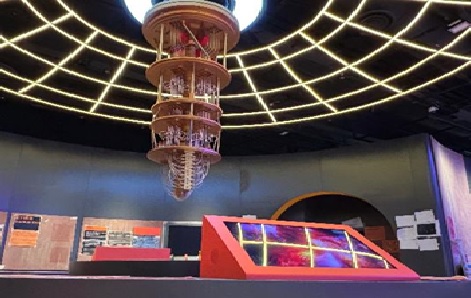
Classical physics explains most of the physical phenomena we encounter in daily life. However, the quantum world behaves differently. Through continuous research into the properties of quantum physics, we have harnessed its characteristics to develop inventions such as lasers and transistors. Recently, we have even advanced to the point of creating quantum computers capable of performing parallel computations.
Quantum computer
This exhibit compares the characteristics of classical and quantum computers and uses interactive games to introduce the concept of qubits and their remarkable properties, such as superposition and entanglement. These properties enable us to process information in a fundamentally different way, allowing us to find solutions to complex problems much faster.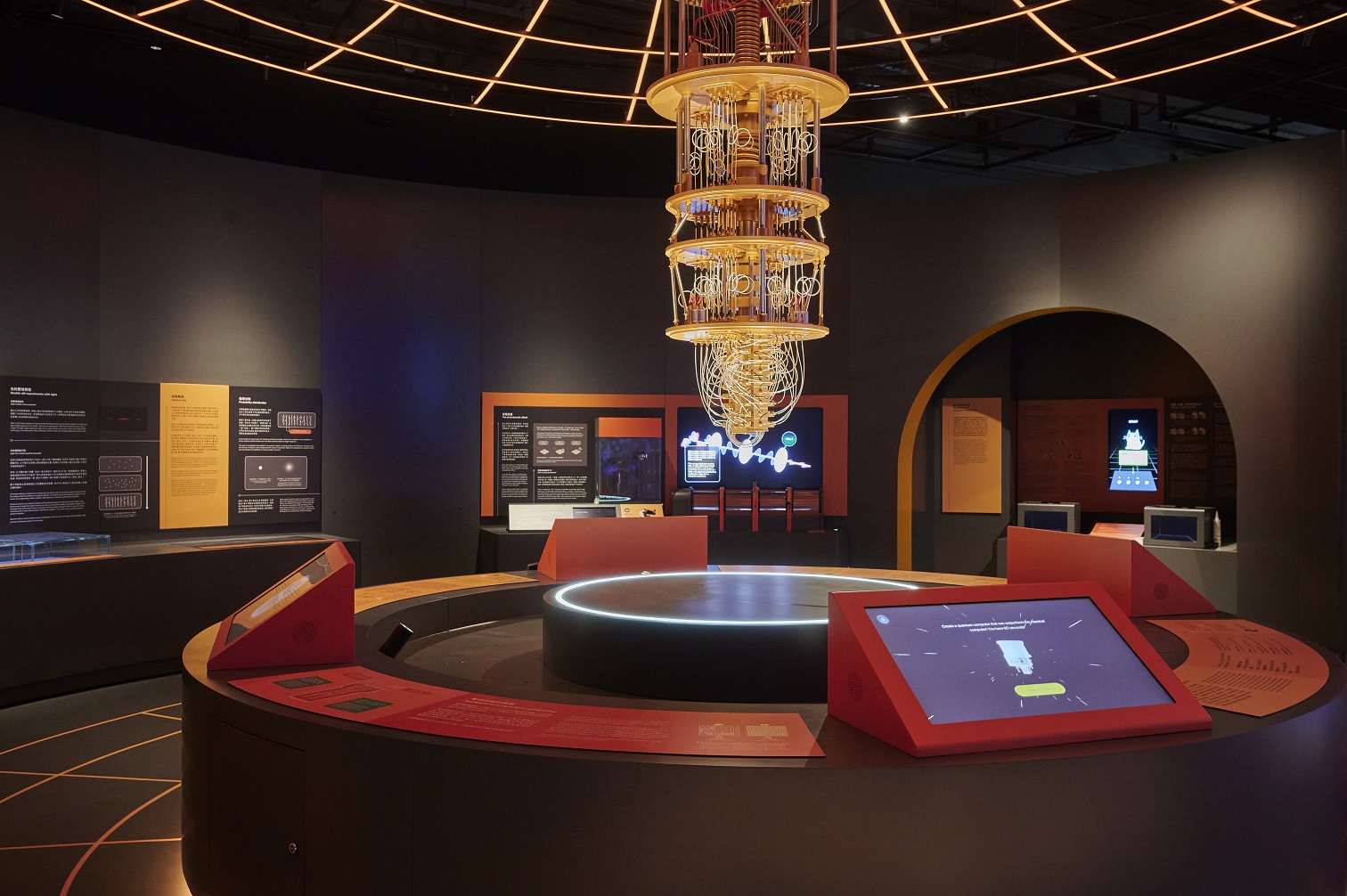
Boundless Materials
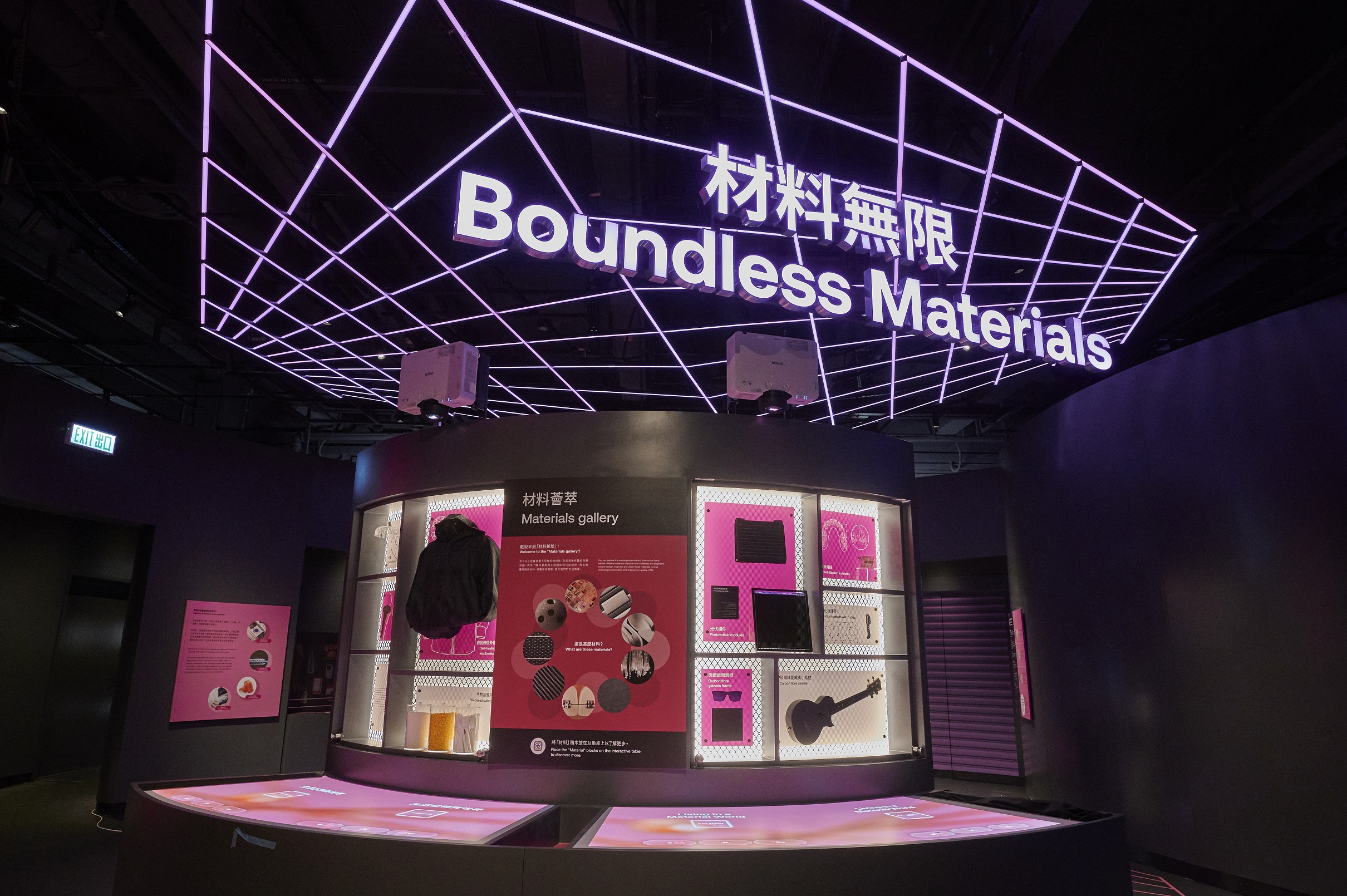
From self-repairing textiles and shape-memory medical stents to 3D-printed complex structures, advanced materials technology has revolutionised our daily lives. These innovations demonstrate our growing knowledge in molecular structures, resulting in products that enhance medical care, optimise manufacturing, and fundamentally reshape the functional capabilities of the modern world.
Materials gallery
Visitors can explore the unique properties of various materials and the fascinating science behind them. Learn how scientists and engineers cleverly design, improve and apply these materials to drive technological innovation and enhance our quality of life. Some of the exhibits are contributed by local research institutes and universities, including Hong Kong Applied Science and Technology Research Institute (ASTRI) and City University of Hong Kong.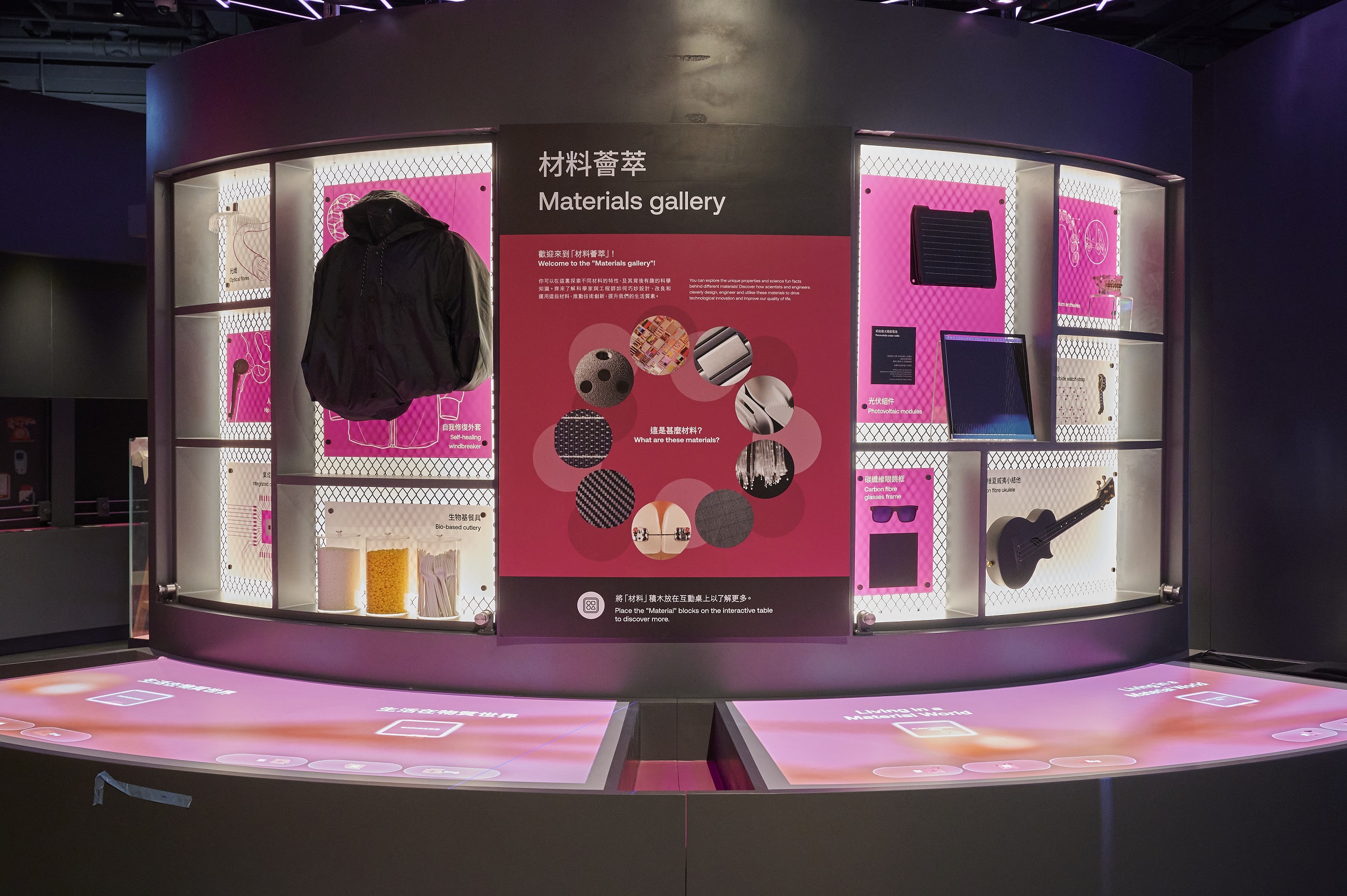
Bio-Innovation
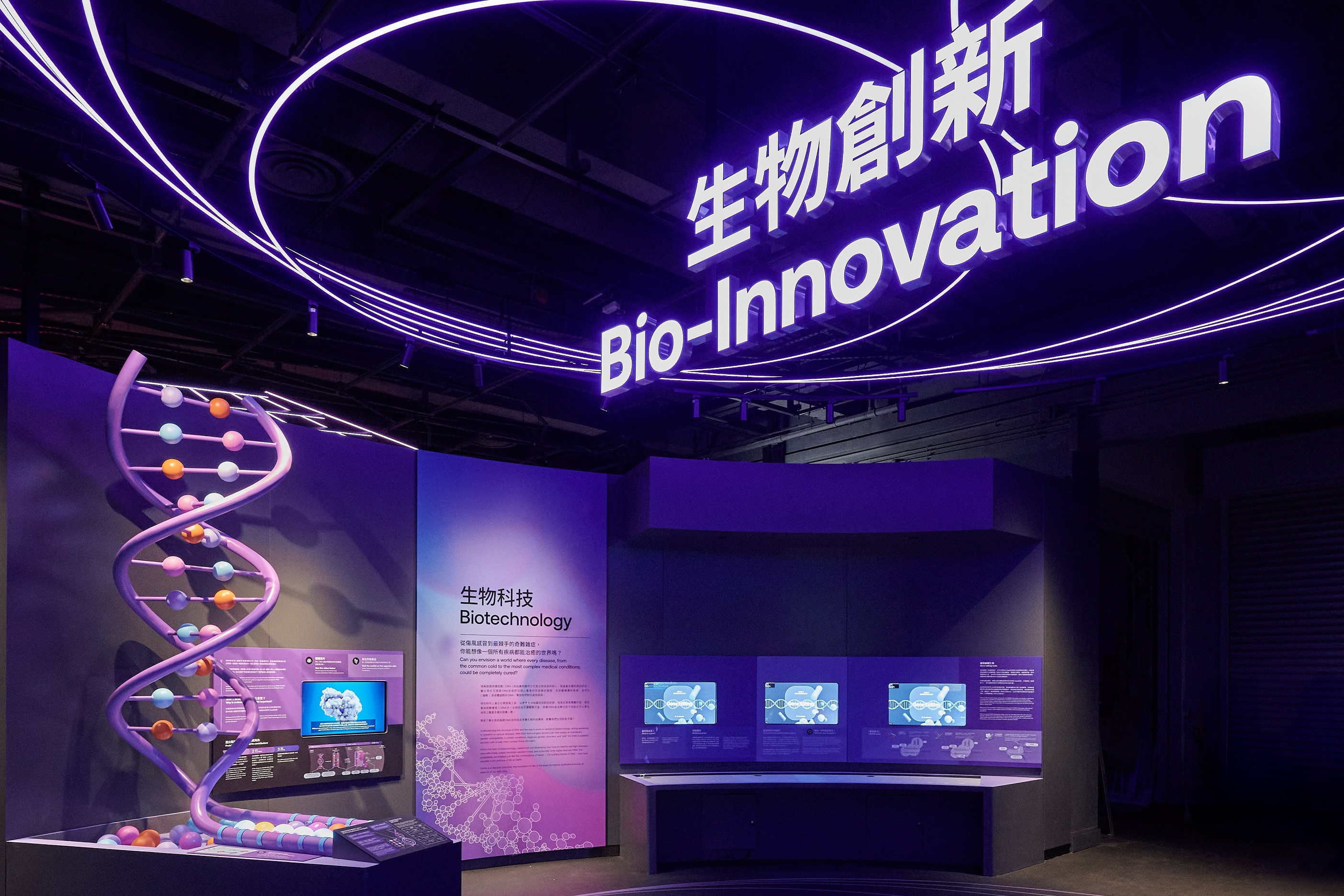
From enabling disease prevention to creating herbicide-resistant crops and even encoding digital data into biological molecules, these groundbreaking advancements all rely on a fundamental understanding of DNA structure. Together, they demonstrate the power of biotechnology to not only combat complex diseases and increase agricultural yield but also be applied in everyday scenarios such as rapid disease detection.
Gene editing
Thanks to this technology, scientists can now precisely modify DNA of organisms, opening up a wide range of potential applications. Through this interactive exhibit, visitors can edit DNA for various purposes, such as cultivating specific crops and treating diseases.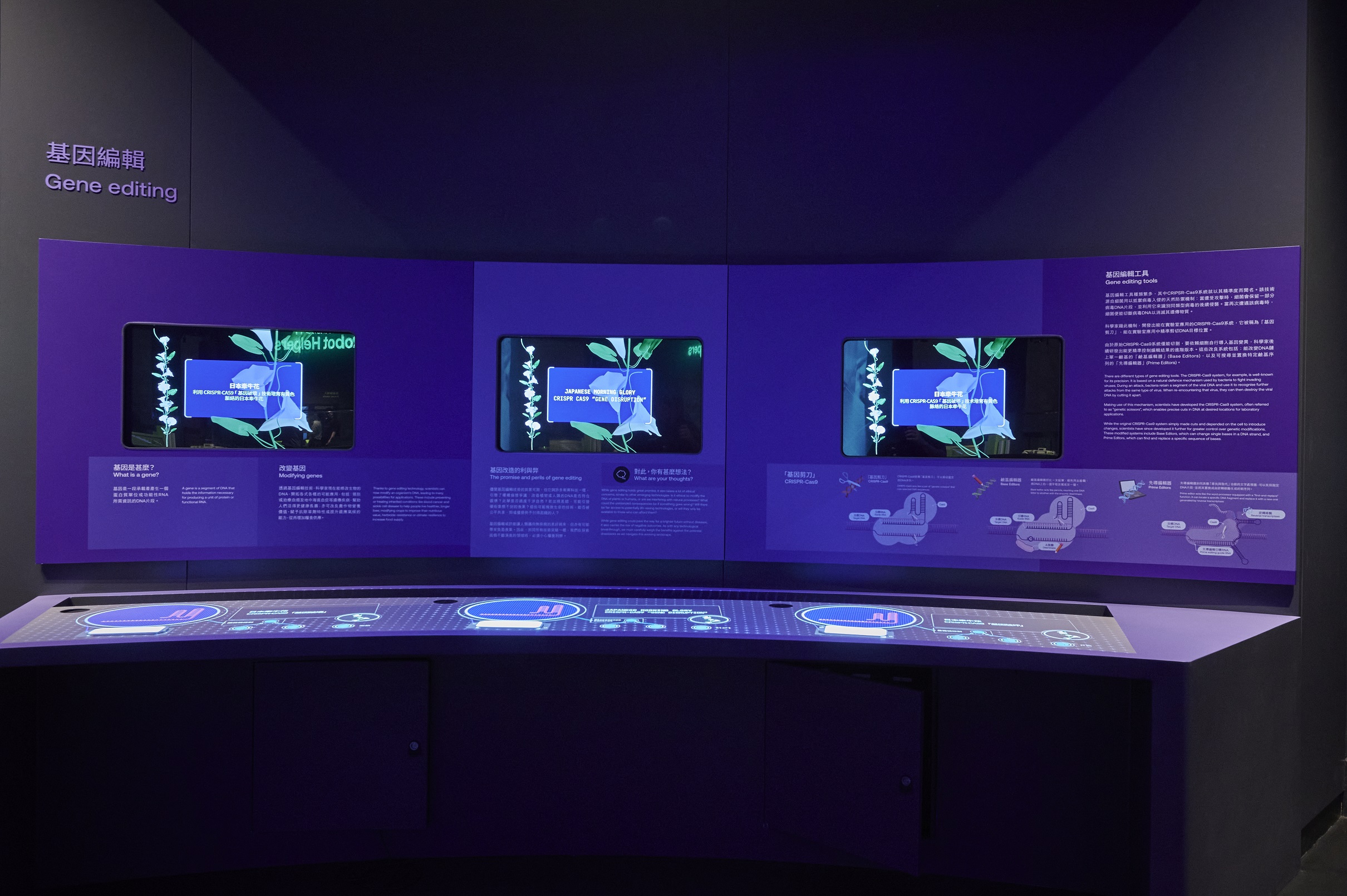
Beyond Binary
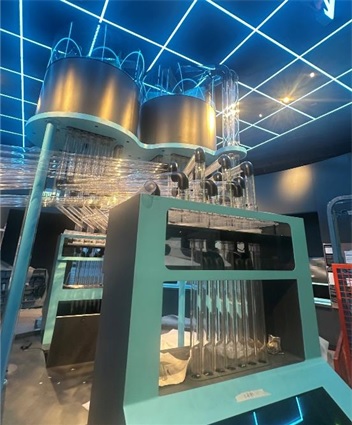
From shrinking massive computers into tiny chips to revolutionising global communication, these advances are driven by Moore's Law. Artificial intelligence is doing more than just recognising images; it is fundamentally changing how we understand ourselves in a world run by data.
Artificial neural network
Visitors can draw a cat on the screen to learn how AI recognises whether the image is truly a "cat". An Artificial Neural Network (ANN) is the main component of deep learning algorithms, a subset of AI that is inspired by the human brain. It is designed to process information by identifying connections in the data, weighing up the importance of these connections, and predicting outcomes.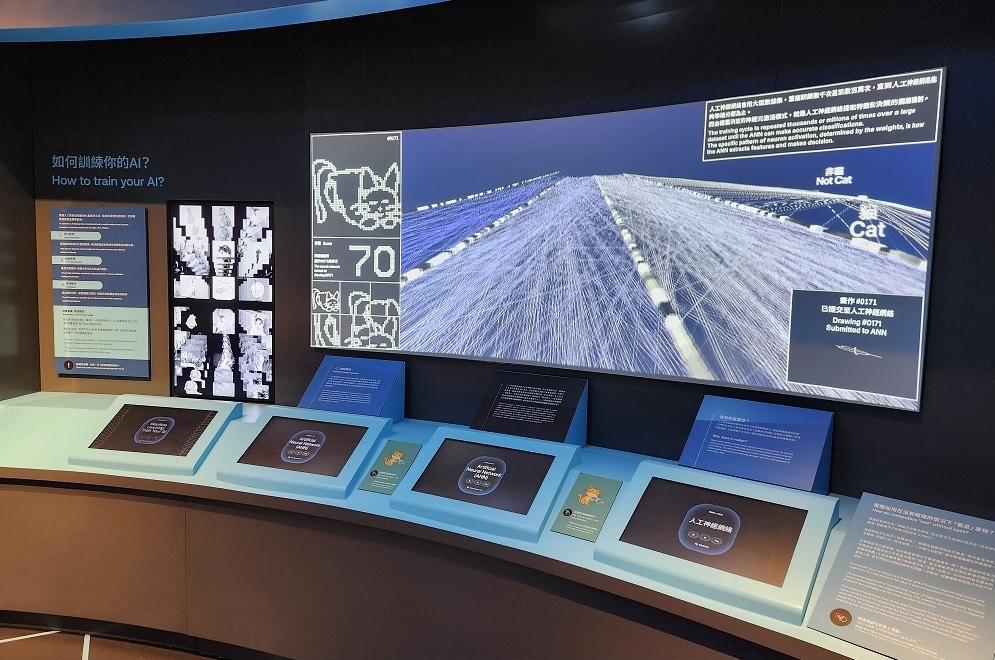
Robot Helpers
From assembling cars with industrial precision and navigating the bloodstream as microscopic robots to interacting with human, these applications stem from the convergence of mechanical actuation, sensory systems, and machine learning. Together, they illustrate the power of robotics to not only revolutionise industries and healthcare but also to become a helpful assistant in our daily lives.
Exotic robots
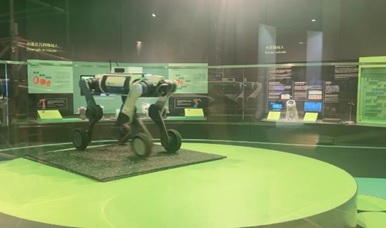
Robots are not limited to robotic arms on factory assembly lines or humanoid machines - many feature unique designs and specialised forms. Engineers and scientists draw inspiration from nature to develop diverse robotic solutions for technical challenges.
The medical microbots and flying robots showcased in this exhibit are provided by The Chinese University of Hong Kong and City University of Hong Kong, respectively.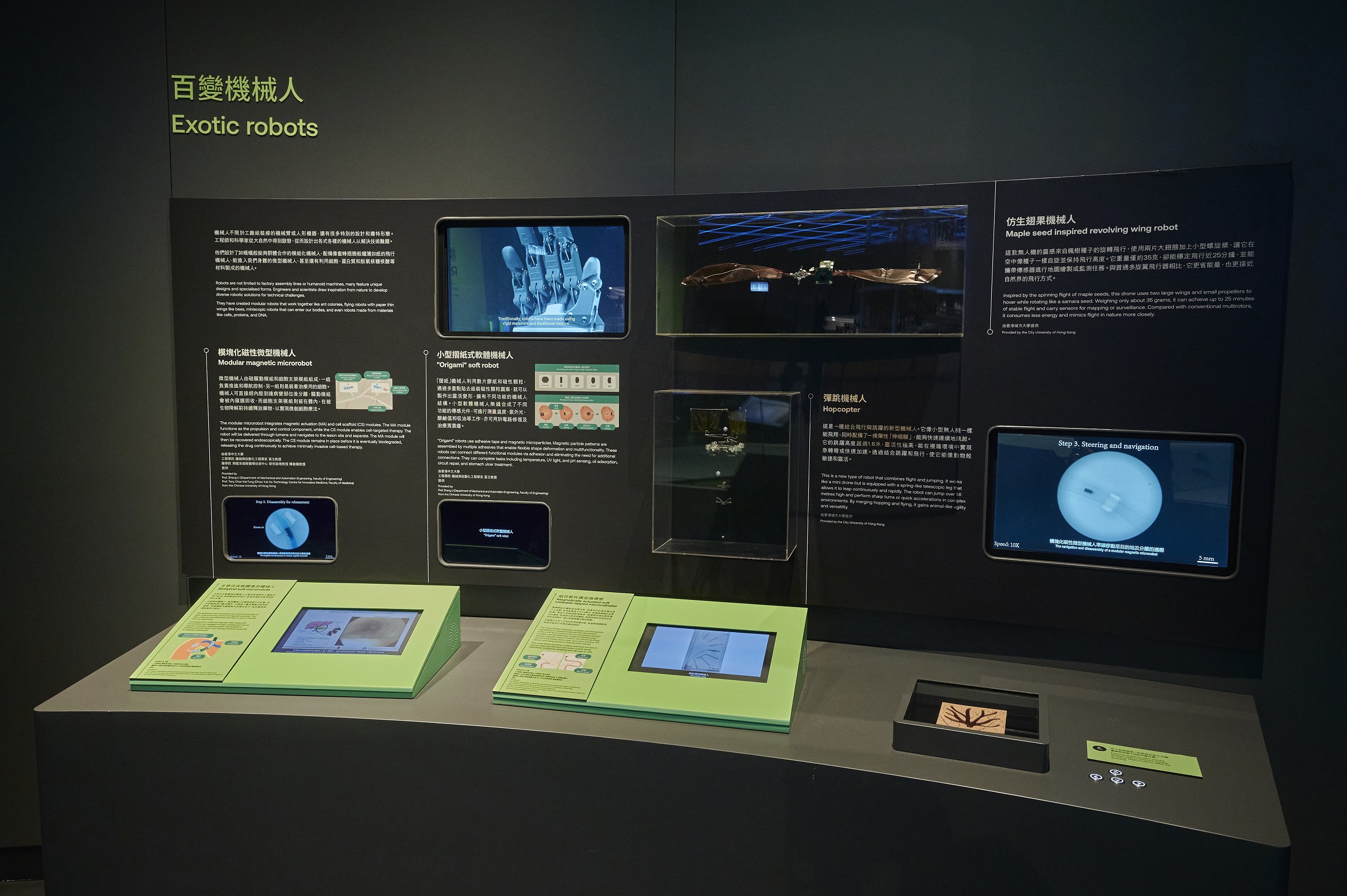
Venue
2/F Exhibition Hall